An estate may also contain debts. Anyone who inherits has unlimited liability for them with their own assets. Swiss inheritance law gives you three months to decide.
During this period, we see the most common mistake in practice: relatives want to do something, tidy up, pass on furniture or arrange a clearance. In doing so, they accept the inheritance before they know the consequences.
The three-month deadline
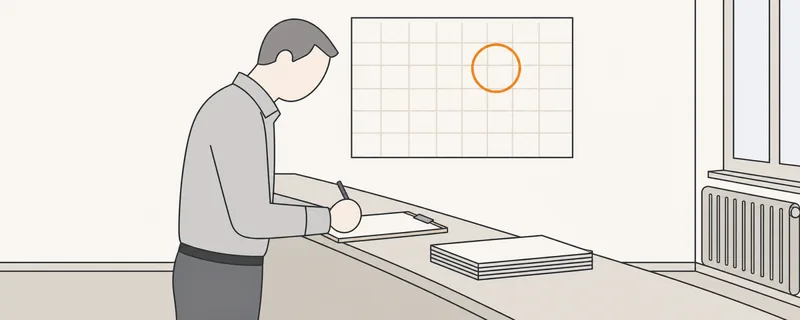
The deadline for disclaiming an inheritance is three months. Its starting point varies:
- For statutory heirs (spouse, children, parents and siblings), it begins on the day they learn of the death.
- For appointed heirs (under a will or inheritance contract), it begins when the authority officially notifies them of the testamentary disposition.
The deadline runs separately for each heir. If an heir learns of the death later, their deadline ends later. The competent authority may extend the deadline for important reasons, for example if the estate is abroad or an inventory has not yet been completed. Do not rely on this.
Anyone who takes no action accepts the inheritance. There is no additional period and no right of revocation.
How to disclaim
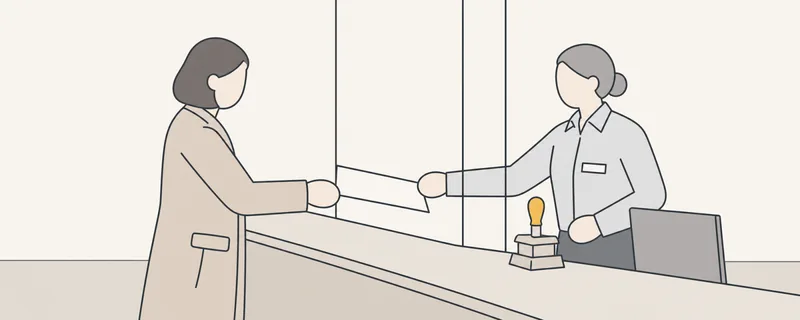
The disclaimer must be made orally or in writing to the competent authority. In the canton of Zurich, this is the single-judge court (Einzelgericht) at the deceased person’s last place of residence. The declaration must be unconditional and without reservation. A disclaimer “on condition that …” is invalid.
The authority records each disclaimer. On request, you will receive a certificate. You may need this when dealing with creditors, the management of the rented flat or banks.
The fee for disclaiming is low, usually between a two-digit and low three-digit amount per person. Compared with assuming a debt, it is barely significant.
Presumed disclaimer
You do not need to do anything if, at the time of death, the deceased person had been officially declared insolvent or was manifestly insolvent. In that case, disclaimer is presumed, for example if there are outstanding loss certificates (Verlustscheine) or ongoing bankruptcy proceedings.
However, this presumption ceases to apply if you intervene in the estate. The threshold for “manifestly” is high. An overdrawn account is not sufficient.
Intervention in the estate
Anyone who intervenes in the affairs of the estate loses the right to disclaim it. The law expressly includes appropriating or concealing estate property.
In practice, the following count as intervention:
- Selling, giving away or taking furniture, jewellery or collections
- Instructing a clearance company and having the flat emptied
- Using the deceased person’s accounts for your own purposes
- Collecting debts owed to the estate
- Actively continuing the tenancy agreement without giving notice
- Having vehicles registered in your own name
Purely protective measures and duties of propriety do not count as intervention:
- Locking and securing the flat
- Disposing of perishable food and emptying the fridge
- Setting the heating to frost protection
- Caring for pets or arranging their accommodation
- Arranging and paying for the funeral
- Taking personal mementoes of little value. However, the dividing line is unclear. If in doubt, do not take them.
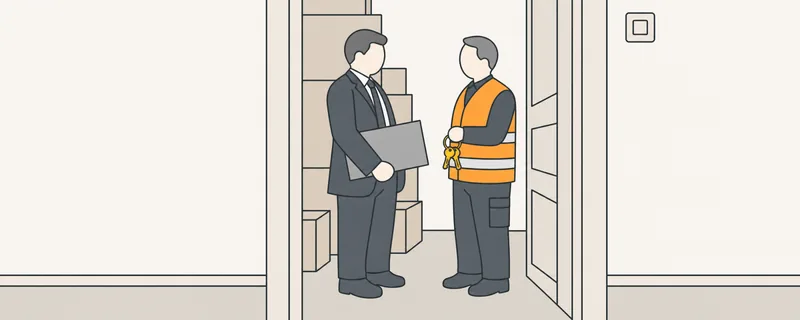
While the disclaimer period is still running and you are unsure whether the estate has value, the flat should not be cleared. This also applies to the cellar and old belongings.
A clearance company acts negligently if it schedules a clearance during this period without asking about the heirs’ position. For every estate clearance, we ask about the status of the deadline and postpone the appointment if it is still running.
The public inventory as an intermediate option
If it is unclear whether there are debts, the public inventory (öffentliches Inventar) offers another option. It must be requested within one month, which is significantly earlier than the deadline for disclaiming.
The authority draws up a list of assets and debts and issues a call to creditors: creditors must register their claims. You can then decide on a firmer basis. If you accept the inheritance subject to a public inventory, you are generally liable only for what is listed in the inventory.
If everyone disclaims
If all the nearest heirs disclaim, the inheritance is treated as disclaimed and liquidated by the bankruptcy office. For the relatives, this means:
- You do not have to clear the flat or pay for its clearance.
- The bankruptcy office realises anything of value and arranges the disposal.
- Any surplus remaining after all debts have been covered goes to those who disclaimed. This rarely occurs.
- On request, bankruptcy offices will usually release personal items without financial value, such as photo albums or letters. Ask early, before realisation begins.
The spouse or registered partner may also wait for the other heirs to disclaim before deciding for themselves.
Funeral costs do not constitute acceptance
Funeral costs are estate debts and, by themselves, do not constitute acceptance of the inheritance. Anyone who arranges and pays for the funeral may still disclaim. Keep the receipts available. In liquidation proceedings, funeral costs are usually given priority.
However, if you pay from estate assets without authorisation, you risk being deemed to have intervened in the estate.
What you should do
- Note the date on which you learned of the death. The deadline runs from that date.
- Review the post and arrange mail forwarding. Payment reminders and debt enforcement proceedings are the clearest indications of debts.
- Obtain an extract from the debt enforcement register (Betreibungsregisterauszug) for the last place of residence. It is inexpensive and informative.
- Look for bank statements and tax documents from the past two years.
- If uncertain, request a public inventory within one month.
- Leave the flat unchanged until a decision has been made.
For complex circumstances, such as property, company holdings, foreign assets or a divided community of heirs, advice on inheritance law is advisable. A consultation costs less than the rent that continues to accrue while matters are being clarified.
This article provides a general overview and is not a substitute for legal advice on an individual case. The provisions of the Swiss Civil Code (ZGB) and the practice of the competent authorities are authoritative.
Common questions on this topic
How long do I have to disclaim an inheritance?
Do I lose the right to disclaim if I clear the flat?
What happens to the flat if all heirs disclaim?
Your question is not here? Call us: 076 606 22 83.