Guide to clearance and estates
We explain deadlines, tenancy law, disposal and value offset with a view to practice in the canton of Zurich. Much of it lands on relatives after a death. Anyone moving or closing down a household also finds out here what watches, tools and furniture are still worth today.

Inheritance law and deadlines 9
-
 Certificate of inheritance: what can be cleared or sold first? Without a certificate of inheritance, heirs may safeguard the estate but may not dispose of it. Sales, account access and clearance must wait until the district court has issued the certificate and no inventory remains pending.
-
 Clearing a flat with no heirs or after inheritance is declined If all the closest heirs decline the inheritance, the bankruptcy office liquidates the estate, realises its assets and disposes of the contents. Until then, no one may remove anything from the flat, or the inheritance is deemed accepted.
-
 Clearing a flat after a death: Swiss legal position Community of heirs, disclaimer period, sealing, tenancy and liability: the rules of the ZGB and OR determine who may clear the property, when and who pays.
-
 Death: who must clear the flat, and who pays? The heirs clear the flat, and the estate bears the costs. Anyone who disclaims the inheritance need neither clear nor pay; the bankruptcy office then takes over.
-
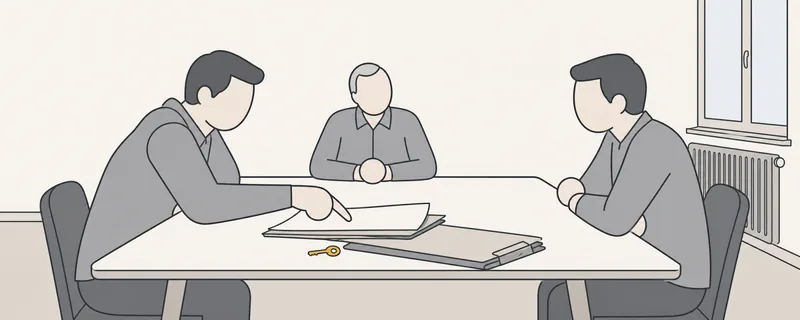 Community of heirs and clearance: who decides, who pays A clearance requires every heir's consent. Without it, there are three options: agreement, an estate representative or an executor.
-
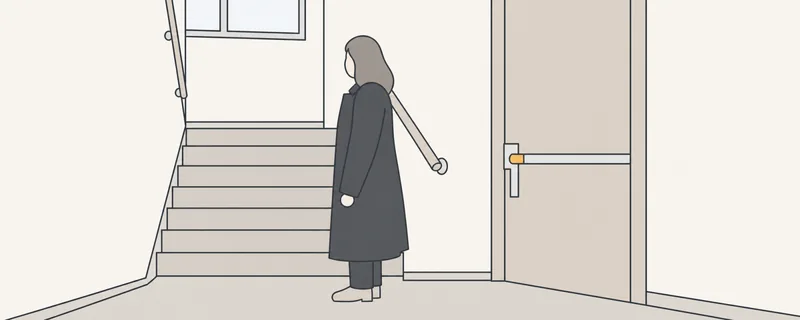 Flat sealed by the authorities: what heirs need to know Sealing is a protective measure and does not imply suspicion. It preserves the flat's condition until the heirs are identified and prevents clearance until then.
-
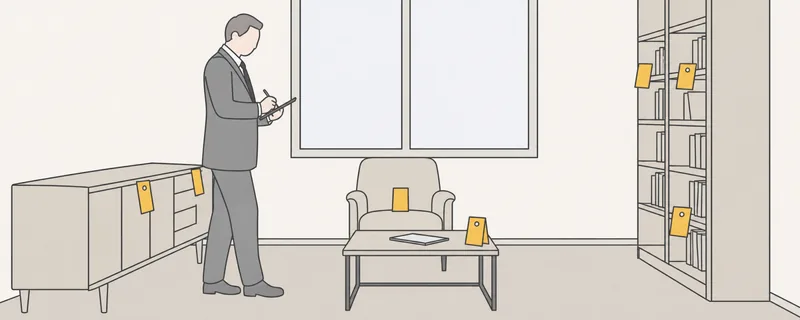 Public inventory: an interim option for uncertain heirs If it is unclear whether an estate has more debts than assets, a public inventory can help with the decision. The one-month deadline must be met.
-
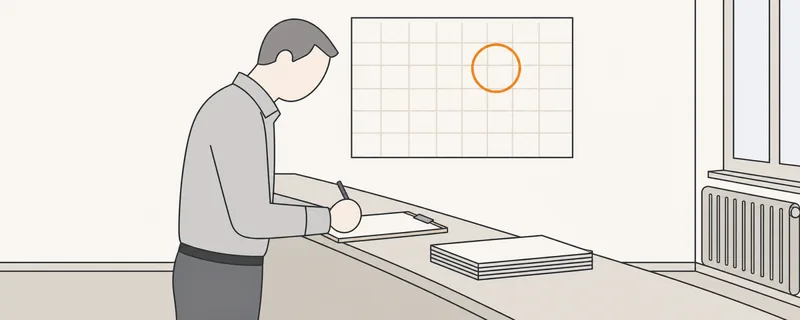 Disclaiming an inheritance: deadline, effects and the flat The deadline for disclaiming an inheritance is three months. Anyone who disposes of or sells estate items during this period loses the right to disclaim, even without realising it.
-
 After a death: checklist for the first 30 days A clear order applies during the first weeks after a death. Knowing it helps you avoid missed deadlines and clearing the home too early.
Clearance and process 3
-
 Clearing a flat when moving into a care home: checklist Moving into a care home raises questions about the flat, furniture, post and assets at the same time. This article covers the order, statutory deadlines, representation when capacity is lost and costs.
-
 Clearing a hoarded flat: process, discretion and costs Severely cluttered flats require special preparation, protective measures and follow-up treatment. Discretion matters more than speed.
-
 Choosing a clearance company: eleven warning signs There are no barriers to entering the clearance trade. Eleven points help you distinguish reputable providers from unreliable ones.
Costs and value offset 5
-
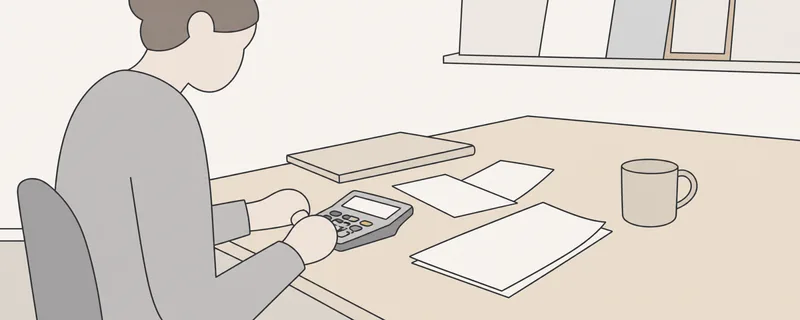 Clearance costs in an estate: debts, tax and offsets The clearance invoice is a debt arising from the succession: it reduces the estate on which inheritance tax is calculated. Heirs cannot deduct it from income tax.
-
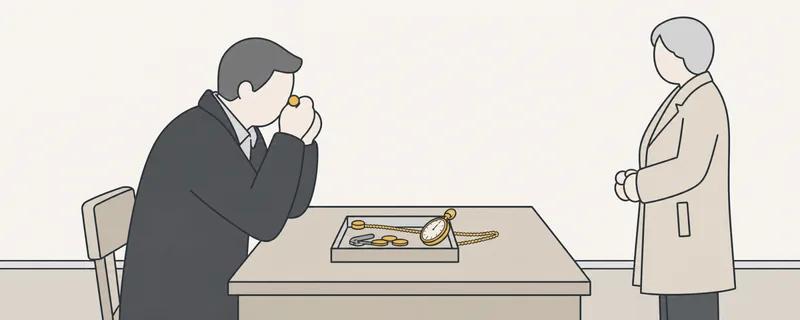 Selling a Swiss estate: furniture, jewellery and coins Items with a market can be sold, including watches, gold, design classics and organised collections. The best sales route depends on value. The community of heirs decides jointly.
-
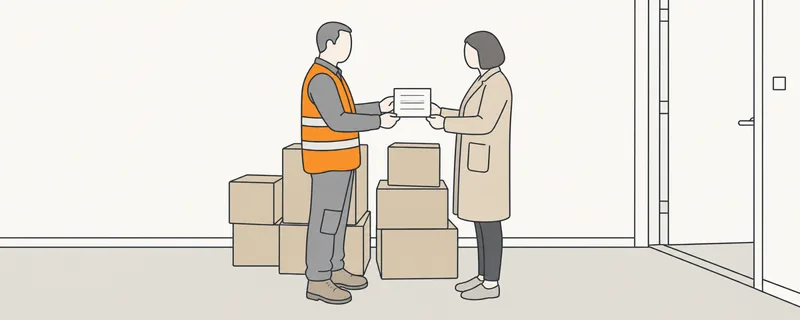 How to find out what your clearance will cost The number of rooms says little about the work involved in a clearance, so a price list is of limited use. Here is how to obtain a price that still applies on clearance day.
-
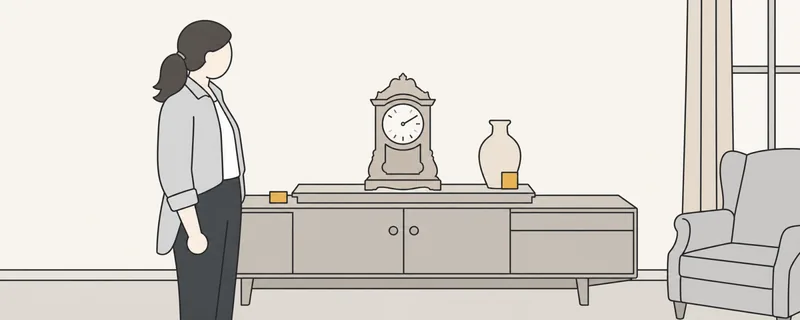 What is really valuable in an estate How to identify items, find suitable comparisons and take account of the work involved in selling them.
-
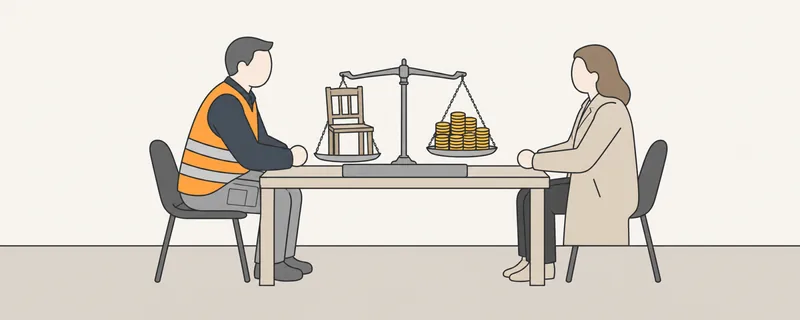 Value offset: how it works and what to check The value offset must appear in the quotation as a separate item with an estimated value. Otherwise, it cannot be checked.
Disposal 6
-
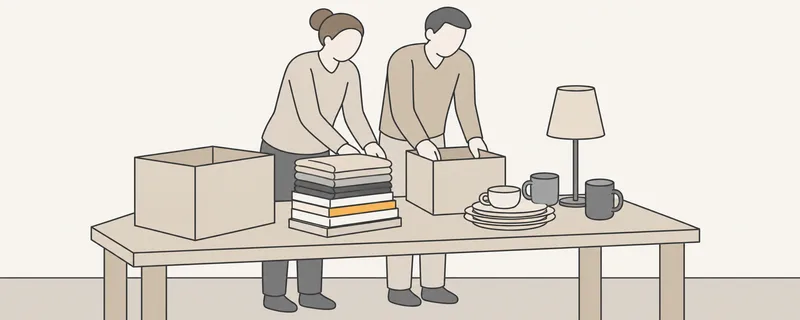 Useful household items: what can be donated or sold Many items need not go into a skip. Things in good condition can be passed on, while textiles and recyclable materials belong in collection schemes. What to check before handing anything over.
-
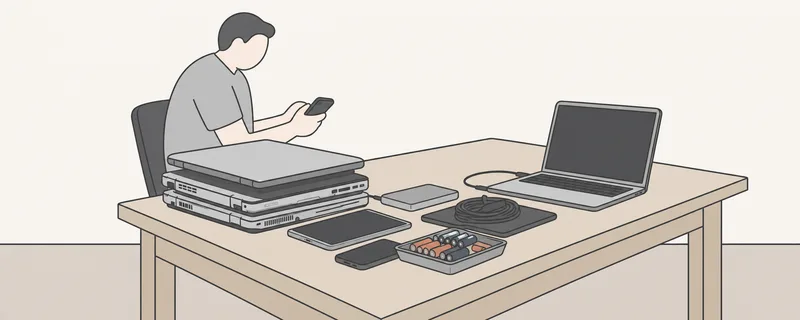 Disposing of electrical devices and batteries: erase data first Retailers and collection points accept electrical devices and batteries. Erase the data yourself first, as ordinary deletion does not remove it.
-
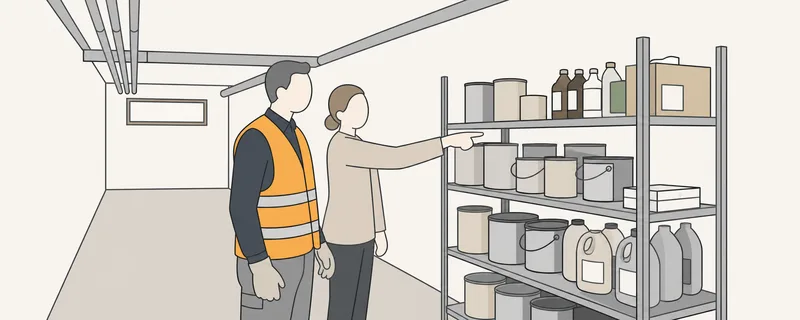 Special waste and suspected asbestos in a flat: who disposes of it? Only hand special waste to authorised collection points. If you suspect asbestos, do not touch anything and have the material assessed by specialists.
-
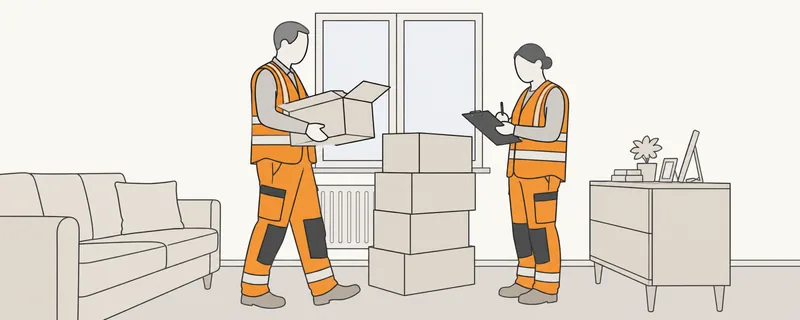 Flat clearance: what happens to the contents? Keep, sell, donate or dispose of items: we agree in advance what goes where. On request, we set aside any documents, letters and photographs we find and give them to you.
-
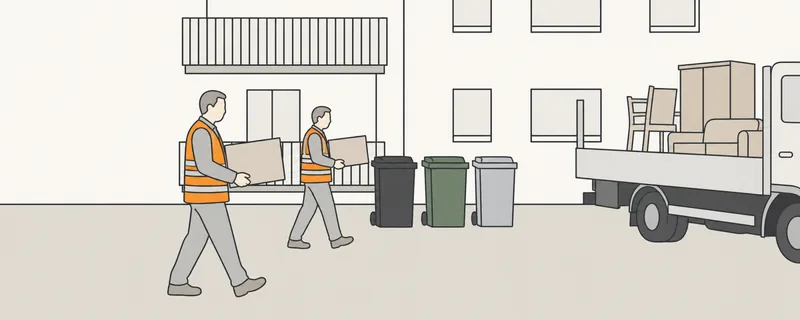 Waste disposal in the canton of Zurich: what goes where Separated waste types cost less than mixed waste. An overview of take-back schemes, recycling centres and obligations for hazardous waste.
-
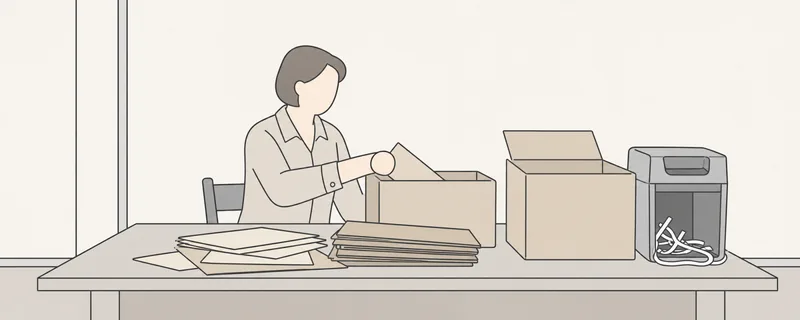 Estate documents: what to keep and what to destroy You do not need to keep every document. However, discarding important papers can be costly. This overview sets out categories and specific retention periods.
Tenancy and handover 3
-
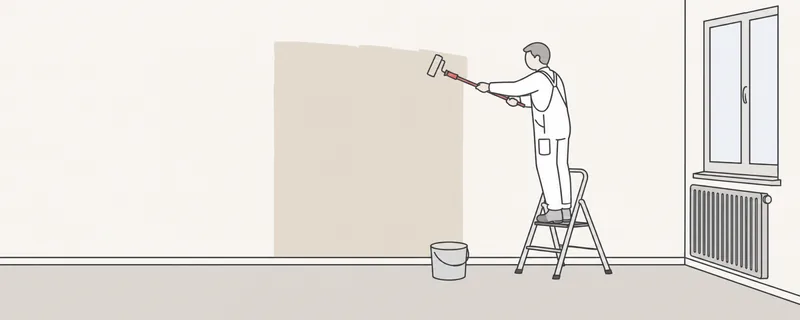 Renovating a flat after a death: what heirs must pay The flat must be returned in the condition resulting from use in accordance with the tenancy agreement, not as new. The landlord pays for normal wear. Damage is charged at current value under the service-life table.
-
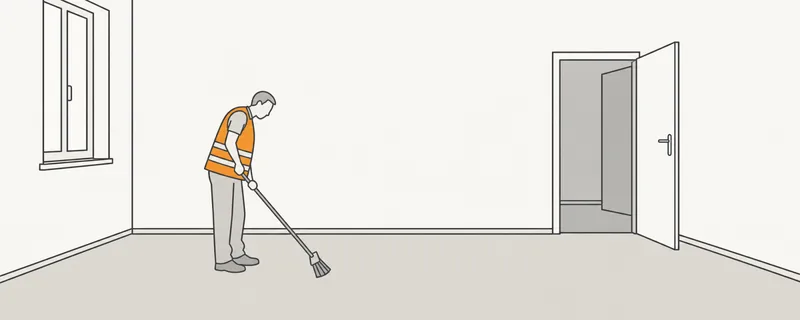 Handover: what 'swept clean' really means You owe the condition resulting from contractual use, not an as-new condition. The landlord bears normal wear and tear. The service-life table limits what you pay for damage.
-
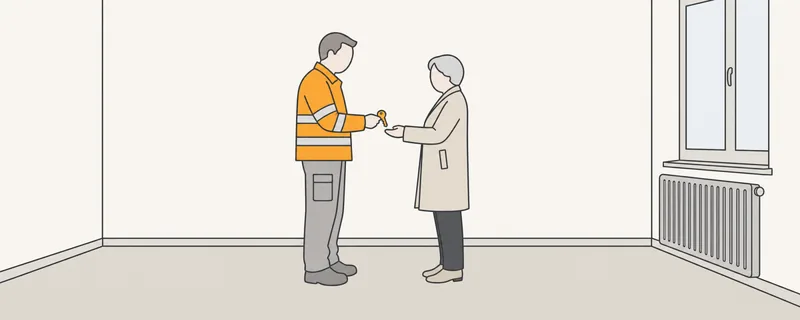 Ending a tenancy after a death Heirs may give three months’ notice for the next statutory termination date. A suitable replacement tenant can end the rent obligation sooner, often saving several months’ rent.
Send us some initial photos
Photograph the rooms you would like cleared and send us the pictures. You do not need to prepare or tidy up anything. That lets us judge the effort better and discuss the next steps with you.