“Value offset” now appears in almost every clearance quotation. The basis for it varies considerably, from a documented valuation to an unsupported promise of a discount.
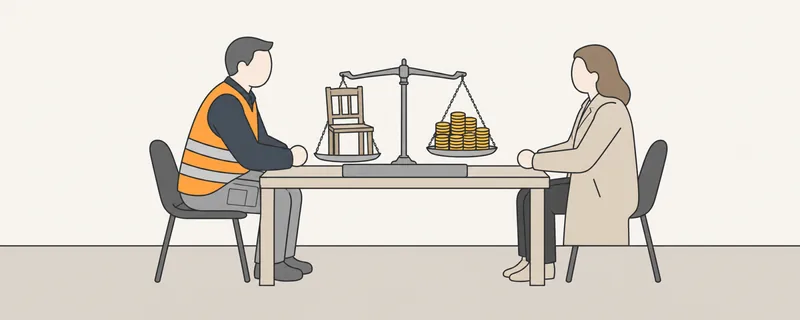
Most homes contain saleable items. If a clearance company can resell them, they have value to the company. This should reduce the clearance price. Everyone agrees on that.
What matters is whether the offset is quantified or merely claimed.
The three models used in practice
Model 1 is a deduction in the quotation. The company estimates the value of saleable items on site and deducts that amount from the clearance price. The calculation looks roughly like this:
Clearance, disposal and any final cleaning are listed separately, followed by the deduction as a minus figure and the total.
You can see the costs and the value offset. Both can be checked. We use this model.
Model 2 is a lump-sum price “including a value offset”. The price is not itemised. You will never know whether anything was offset. Even if the estate includes a valuable watch, the offset remains unclear to you and the community of heirs (Erbengemeinschaft).
This is not necessarily improper, but it is opaque. In a community of heirs, a lack of transparency is where disputes begin.
Model 3 is “free clearance in exchange for the contents”. The company clears the property without charge and keeps everything, without a valuation or stated amount. If the flat genuinely contains only bulky waste, this is a fair arrangement for you. Otherwise, you are giving away the estate.
Before the inspection, nobody can know which situation applies. Anyone who agrees to a free clearance over the phone does not know either. Or experience has shown them that the model is worthwhile for their business.
How a valuation works
This is how an inspection proceeds:
We go through every room, including the cellar, attic and garage, and record the volume. The number of cubic metres forms the basis of every clearance calculation.
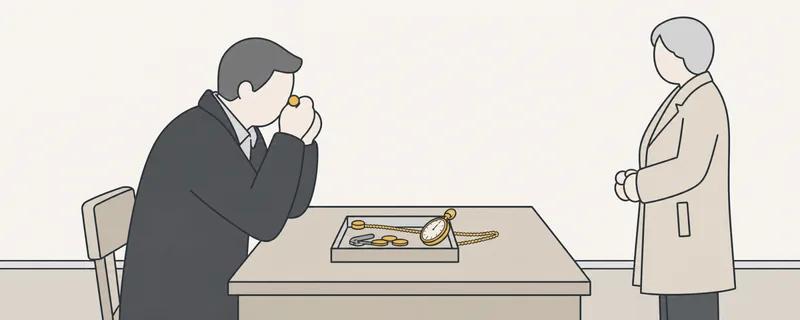
We then look for items with a market: designer furniture and classic Swiss furniture, mechanical watches, gold jewellery worth more than its material value, art with documented provenance, musical instruments, high-quality rugs, stocks of tools and machinery, and collections with worthwhile contents.
We value items at liquidation value. Expectations and actual value can differ. A watch that costs a great deal from a specialist retailer may achieve only a fraction of that amount in a quick resale. We use the amount we can actually achieve. The price paid by an end customer is not relevant to this calculation.
We set aside items of uncertain value. If we cannot value an unsigned picture, a coin collection or a potentially valuable instrument, we do not give a price. We suggest a specialist valuation or transfer to an auction house. Alternatively, we exclude the items from the contract.
A company that can value everything immediately is making a broad estimate.
The written quotation usually follows within a few days. It states the value offset, the individual items and the fixed price.
What actually has value
Less than most relatives hope, and different things from those they expect.
Items that regularly have value include:
- Mechanical wristwatches from well-known Swiss brands, even if defective
- Gold and silver jewellery, at least at its material value
- Design classics with documented provenance (Vitra, USM, de Sede, licensed Le Corbusier pieces)
- Tools and machinery in usable condition
- High-quality hand-knotted rugs
- Collections that can be sold as a whole, such as coins, stamps or model railways
- Militaria and uniforms, within what is legally permitted
Items that, contrary to expectations, rarely have value include:
- Large oak or walnut wall units. The market for them has virtually disappeared.
- Porcelain dinner services and crystal glassware. This also applies to well-known brands if they are not complete and flawless.
- Books, except first editions, antiquarian books from before 1850 or sought-after specialist literature.
- Pianos. Transport and tuning often cost more than the instrument will fetch. Used standard models regularly have a negative net value.
- Fur coats. There is now hardly any market for them.
- Collectors’ plates, limited editions and first-day covers.
Many companies do not say this and allow it to disappear into Model 2.
The community of heirs and the value offset
Where there are several heirs, a stated value offset is necessary. It provides evidence that nobody has given anything away or disposed of it below value.
We also recommend:
- A photographic record of the rooms before removal.
- Written agreement to the value offset from all heirs.
This takes us half an hour and saves communities of heirs from disputes that can last for years.
Common questions about the value offset
Can we sell individual items ourselves? Yes. Tell us before the inspection. We will then calculate the price without those items. Removing items later changes the calculation and the price.
What do we exclude from the purchase? Before the clearance, we agree which items are included in the purchase and which you wish to keep. During the clearance, we specifically look for items you have identified to us in advance and put them aside separately. We agree the scope and handover arrangements beforehand. On request, we set aside any documents, letters and photographs we find and give them to you.
Can the purchase price be higher than the clearance costs? Yes, in rare cases. We then pay you the balance on the day the clearance begins, in cash or by bank transfer, against a receipt.
What happens to photographs, letters and personal papers? On request, we set aside any documents, letters and photographs we find and give them to you. Before the clearance, tell us which other items are important to you. We specifically look for them and put them aside separately. We agree with you what we should look for and who will receive the items found.
How to recognise a sound value offset
- It is quantified.
- It is based on an on-site inspection. Photographs or a telephone call are not sufficient.
- The company also tells you what has no value.
- Items of uncertain value are excluded.
- The quotation states the clearance price and value offset separately.
If two of these five points are missing, obtain a second quotation.
Common questions on this topic
What is a value offset in a clearance?
Can a value offset make a clearance free?
Your question is not here? Call us: 076 606 22 83.