The heirs of a deceased person are responsible for clearing their flat. They pay for the clearance from the estate or, if necessary, from their own assets. Exceptions apply if the inheritance is disclaimed or the estate is empty. These situations cause relatives concern.
The heirs take over all contracts upon death
Upon death, the entire estate passes to the heirs by law (Art. 560 ZGB, Swiss Civil Code). This is known as universal succession (Universalsukzession). The heirs take over everything at once: the bank account, furniture, debts and tenancy.
The heirs become tenants from the date of death. They owe the rent and must return the flat empty at the end of the tenancy. The landlord can require from them whatever could have been required from the deceased tenant.
This obligation applies to the heirs regardless of whether they live in Winterthur or Canada, or whether they had contact with the deceased person. The law or the will determines who is an heir. Proximity to the flat is irrelevant.
The tenancy continues until someone gives notice
The tenant’s death does not end the tenancy. The tenancy continues at the estate’s expense. The heirs have a specific right to give notice: they can terminate the tenancy with the statutory notice period for the next statutory termination date (Art. 266i OR, Swiss Code of Obligations). For flats, the notice period is three months (Art. 266c OR). Longer contractual notice periods or a minimum term do not apply to the heirs.
Giving notice is an act of administration. It does not count as acceptance of the inheritance and is also possible during the period for disclaiming it. Anyone who delays will usually pay one or two additional months’ rent. The article Ending a tenancy after a death explains how to give notice and what benefit a replacement tenant may provide.
What the landlord may and may not do
The landlord may not clear the flat, even if the rent has been outstanding for months. The household contents belong to the estate. Anyone who disposes of them without authorisation is liable to the heirs for the loss. A landlord’s right of retention over furniture applies only to commercial premises (Art. 268 OR). It does not apply to flats.
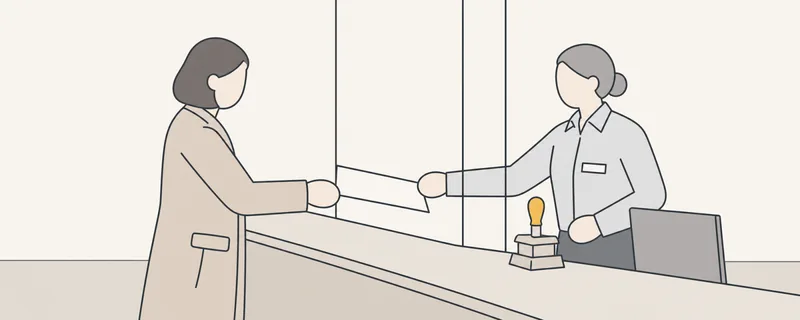
The lawful route for the property management company is through the heirs or the authorities. If the heirs are known, it asks them to give notice and return the flat. If no heirs are known, it reports the case to the inheritance authority. In the canton of Zurich, the notary’s office at the deceased person’s last place of residence is the first point of contact. The authorities secure the estate, order estate administration if necessary (Art. 554 ZGB), and search for the heirs, if required through a public notice to heirs (Art. 555 ZGB).
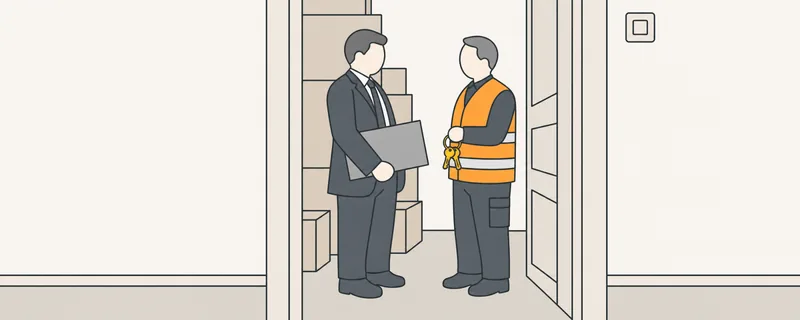
Compulsory clearance is permitted only once an enforcement order is available, such as a court eviction order. In the canton of Zurich, the municipal or city enforcement office carries out the clearance. The property management company may not carry it out itself.
Who pays for the clearance
The estate bears the clearance costs before anything is distributed. This also applies to outstanding rent and the funeral. If the estate assets are sufficient, the heirs pay nothing from their own pockets.
If they are insufficient, the heirs who accepted the inheritance are liable with their own assets. They are jointly and severally liable for the deceased’s debts (Art. 603 ZGB): the landlord can demand the full amount from one individual heir. That heir must then recover the money from the others.
In practice, someone often has to pay in advance because the accounts are frozen until the certificate of inheritance (Erbbescheinigung) is issued. Anyone who does so has a claim against the estate. Keep the quotation and invoice, and obtain the co-heirs’ written consent.
The costs depend on the quantity of contents and access to the flat. At Räumen & Werten, we credit saleable items against the clearance price and quote a fixed price after viewing the property. The Prices page explains what determines the price and what the quotation includes.
Several heirs decide jointly
Several heirs form a community of heirs (Erbengemeinschaft) (Art. 602 ZGB). They control the estate jointly. A clearance is an act of disposal because discarded items are lost. It therefore requires the consent of all heirs. A majority is not enough.
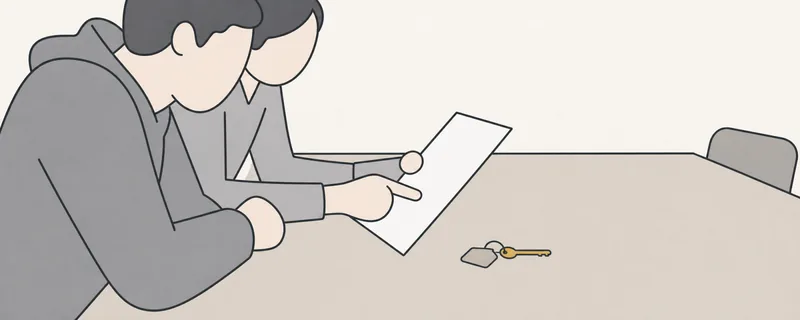
An individual heir may act alone only where delay is not possible, such as locking the flat or arranging repairs after water damage. The clearance contract requires authority from all heirs, an executor’s certificate or an officially appointed representative of the heirs. The article Community of heirs and clearance explains the options when a community of heirs is deadlocked.
If the heirs disclaim the inheritance
No one has to accept an inheritance. Each heir can disclaim it within three months (Arts. 566 and 567 ZGB), by applying in the canton of Zurich to the district court at the deceased person’s last place of residence. Anyone who disclaims is no longer an heir and need neither clear the flat nor pay.
If only one heir disclaims, their share passes to the others (Art. 572 ZGB). The remaining heirs then bear sole responsibility for the clearance. If all the nearest statutory heirs disclaim, the bankruptcy office liquidates the estate (Art. 573 ZGB). It inventories the household contents, sells what has value and disposes of the rest. The relatives organise nothing further and pay nothing.
There is one qualification: anyone who intervenes in the inheritance before disclaiming it, for example by selling furniture or having the flat emptied, loses the right to disclaim (Art. 571 para. 2 ZGB). The correct sequence is therefore to decide first and clear afterwards. For details, see: Disclaiming an inheritance: deadline, consequences and the flat.
If neither the estate nor the heirs can pay
Some estates do not even cover the costs of bankruptcy proceedings. The bankruptcy court then discontinues the liquidation for lack of assets (Art. 230 SchKG, Swiss Debt Enforcement and Bankruptcy Act). The flat remains full. In practice, the landlord will then often arrange the clearance at its own expense.
Relatives who have accepted the inheritance but have little money themselves have no statutory entitlement to have the clearance costs covered. Anyone receiving social assistance or with an income just above the relevant threshold should speak to the social welfare authority in their municipality of residence. It decides on a case-by-case basis whether, and to what extent, it will cover the costs.
The value credit reduces the amount in every case: saleable items from the estate are credited against the clearance and listed separately in the quotation. In a household with well-preserved furniture or a collection, this can cover a significant part of the costs.
How the process usually works in the canton of Zurich
- The property management company receives the death certificate and the contact details of a contact person. To end the tenancy, it requires the signatures of all heirs or a power of attorney.
- Within three months, the heirs determine whether to accept or disclaim the inheritance. Until then, the flat remains untouched, apart from the fridge and the post.
- Once the period has expired, the district court issues the certificate of inheritance. This gives the heirs access to the accounts.
- The heirs commission the clearance. We usually view the flat within a few days and set the date with a one-week buffer before the handover. → Estate clearance in Zurich
- The handover takes place after the final clean. The rental deposit is released after the inspection and becomes part of the estate.
Anyone who follows this sequence clears the flat only once, pays from the estate and retains the right to disclaim until the end of the period.
This article provides a general overview of the legal position and is not a substitute for legal advice on an individual case.
Common questions on this topic
Who must clear the flat after a death?
Who pays for clearing the flat?
May the landlord clear the flat?
Your question is not here? Call us: 076 606 22 83.